

Car Import Documents Checklist: China Export to Arrival
Build the file around the exact vehicle and its importer. Match the invoice, vehicle records and shipment instructions before departure, then have the destination broker confirm what is needed for clearance and registration.
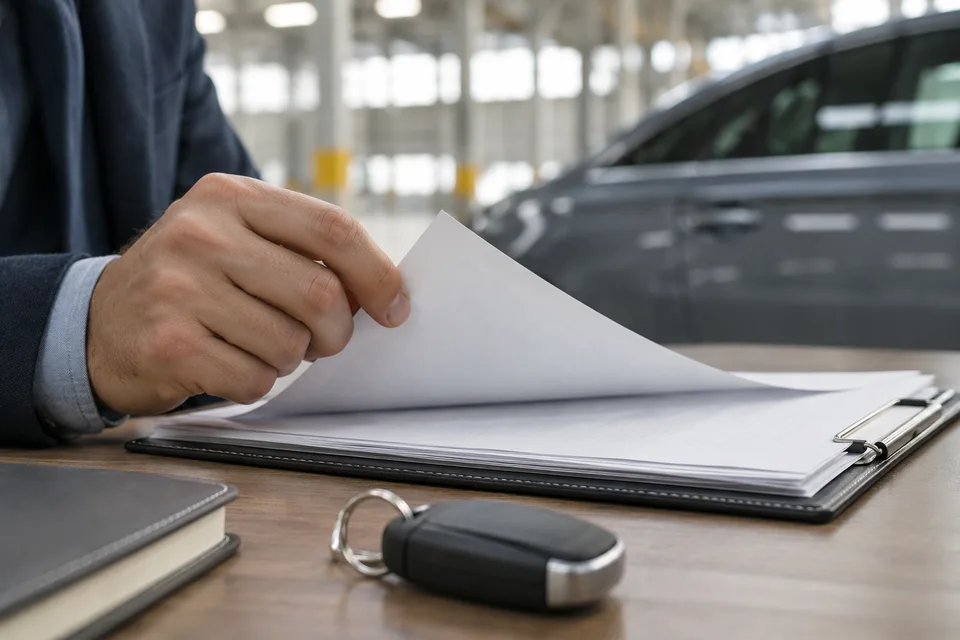
Assign each document to a person and date
| Record | Usually prepared or checked by | What the buyer should match |
|---|---|---|
| Written offer and order | Seller and buyer | Seller identity, exact version, quantity, currency, Incoterms rule and named place. |
| Commercial invoice and vehicle or packing list | Seller or exporter | Consignee, vehicle identifiers, quantity, description and contract references. |
| Used vehicle registration and inspection file | Exporter and inspection provider | VIN, registration and applicable export inspection records. |
| Export licence and customs declaration where required | Exporter or its broker | Exporting entity, vehicle category, declaration details and approval status. |
| Bill of lading or sea waybill | Carrier or forwarder | Consignee, ports, booking references and release method. |
| Origin or insurance evidence where needed | Exporter, issuer or insurer | Eligibility or policy scope, named parties, route and units covered. |
| Import and registration file | Importer and destination broker | Local permits, taxes, conformity and registration evidence for the exact version. |
Check the Chinese export route early
Ask who is the exporter of record and which licence and inspection requirements apply. China’s published measures include used car licensing and third-party inspection requirements. For used vehicles applying for export within 180 days of registration, including day 180, the current notice calls for a manufacturer-issued after-sales maintenance service confirmation. China also applies export licensing to pure-electric passenger cars covered by Announcement No. 54.
Send the draft commercial and transport documents to the importer before issue. Agree where originals or authenticated copies are required and who handles corrections.
Check the documents against one vehicle list
- Reconcile the seller, buyer, importer and consignee names where their roles differ.
- Compare VINs, model descriptions, engine or battery information if required, counts and country of origin.
- Check release instructions, contact details and broker deadlines. Save the approved versions together.
Commercial invoice, vehicle list and bill of lading
The commercial invoice records the sale, while the packing list or vehicle list identifies what is shipped. The bill of lading or sea waybill records the transport arrangement. Reconcile the legal party names, quantities, ports and vehicle identification number for each unit before approving the drafts. Keep consignee details consistent with the release arrangement.
A certificate of origin supports an origin claim where that evidence is required. It serves a different purpose from ownership documents, an export declaration or an import declaration. The exporter and destination broker should identify the issuer and accepted form of each record needed for this transaction.
If a car is replaced, update its order, inspection and shipment records together. Customs clearance and road registration can call for different technical evidence. Where a certificate of conformity is requested, establish exactly which document and vehicle version the authority will accept; an EU certificate is not a standard inclusion with every China-market car.
Source 4
Is an export certificate enough to register the car?
Ask the seller to name the document it calls an “export certificate,” its issuer and the purpose it serves. A translated label may refer to registration, a licence, inspection or another record. Match it to the requirement identified by the destination authority or broker.
Customs clearance and road registration can require different evidence. Obtain the destination checklist for the exact version and importer before paying for the car. If conformity or technical approval evidence is required, ask who can issue it and whether the quoted vehicle is covered. Do not assume every car has an EU Certificate of Conformity.
Questions about car import documents
Do I need originals or are scans enough?
Have the broker, carrier and any payment provider confirm their requirements for each document. Record the accepted format, delivery method and deadline before shipment. A scan that helps check a draft may not satisfy the final release procedure.
Who corrects a wrong VIN or consignee name?
Contact the issuer through the seller or forwarder and follow its amendment procedure. Tell the broker which related documents contain the same detail. Keep the corrected approved set together and confirm the effect on release before arrival.
Sources
- China MOFCOM and four departments, Announcement No. 6 of 2024 on used vehicle exports
- China MOFCOM and three departments, additional used vehicle export requirements
- China MOFCOM and three departments, Announcement No. 54 of 2025 on battery-electric passenger car export licensing
- International Trade Administration, common export documents and their purposes
Discuss your vehicle order
Share the model, quantity and destination so we can discuss sourcing and delivery options.